
— Radon, Explained —
Plain answers to the questions Regina homeowners ask us most — no jargon, no scare tactics, just the facts you need to make a good decision.
— Radon, Explained —
Common Radon Questions
What is radon, exactly?
Radon is a natural radioactive gas that comes up out of the ground as soil and rock break down. You can't see it, smell it or taste it. Outside it harmlessly disperses — but indoors, it can collect to levels worth doing something about, especially in basements and lower floors where it enters from the soil.
Why is Regina and southern Saskatchewan such a high-radon area?
It comes down to geology. The soil and bedrock under southern Saskatchewan release more radon than most of the country, and Regina records some of the highest indoor radon levels in Canada — and among the highest in the world. It's not about your home being old or poorly built; even newer homes here regularly test high.
How dangerous is radon, really?
Health Canada names radon the leading cause of lung cancer in non-smokers and links roughly 1 in 6 lung cancers in Canada to radon exposure. We say that plainly and once — not to frighten you, but because it's the honest reason testing is worth doing. The good news is that radon is also one of the most fixable problems in a home.
How do I find out if my home has a radon problem?
You measure it. A loaner kit from the public library is a fine first signal, and an inexpensive home detector will give you an ongoing reading. For a number you can act on, we run a professional long-term test. Either way, the first step is simple, low-cost, and the only way to actually know.
When is the best time to test for radon?
An accurate long-term test runs for at least three months during the heating season — roughly October through March — when homes are sealed up and radon levels are at their highest. You can start a test any time, but a winter-window test gives you the most reliable picture.
What does a radon mitigation system actually do?
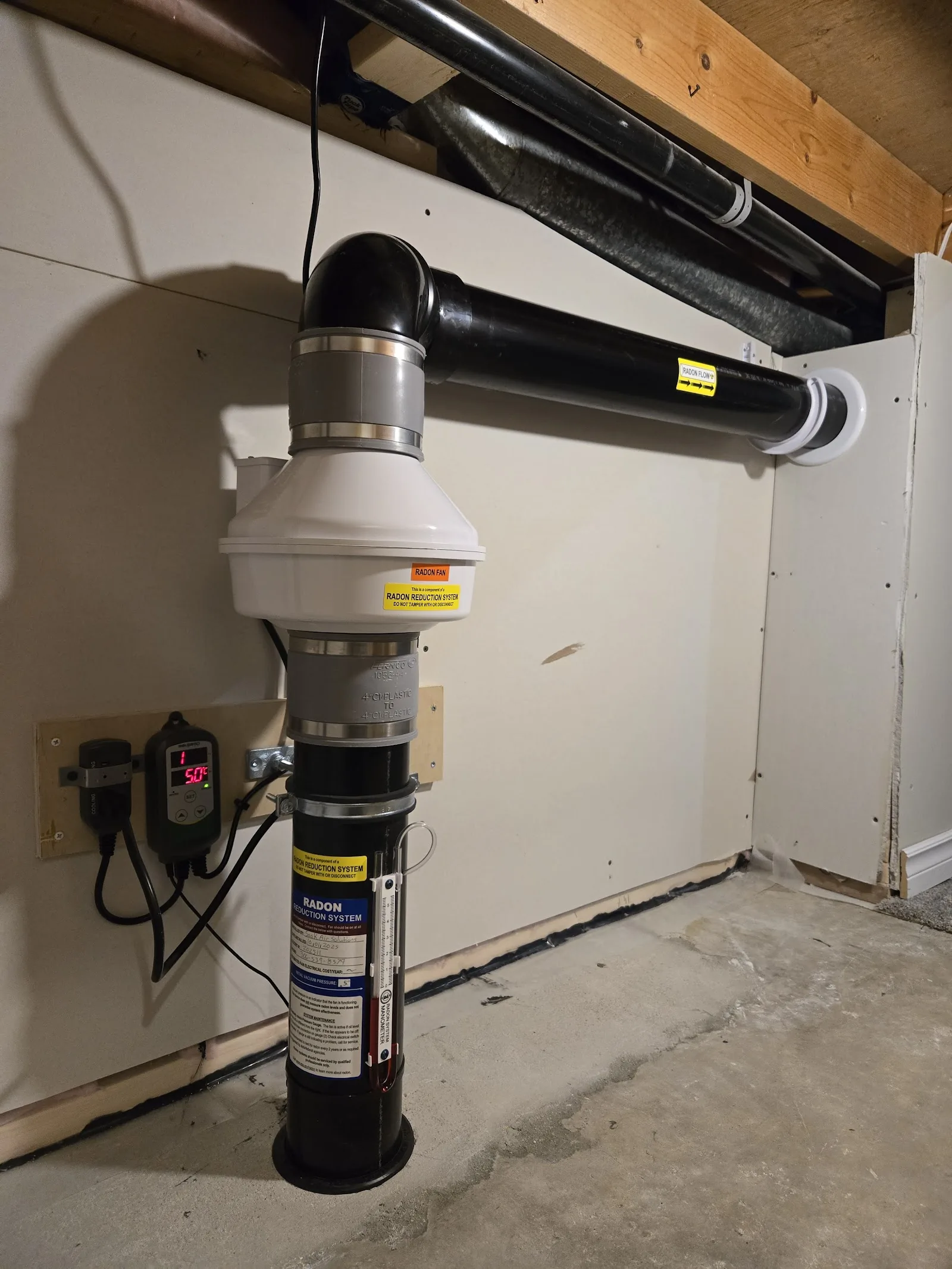
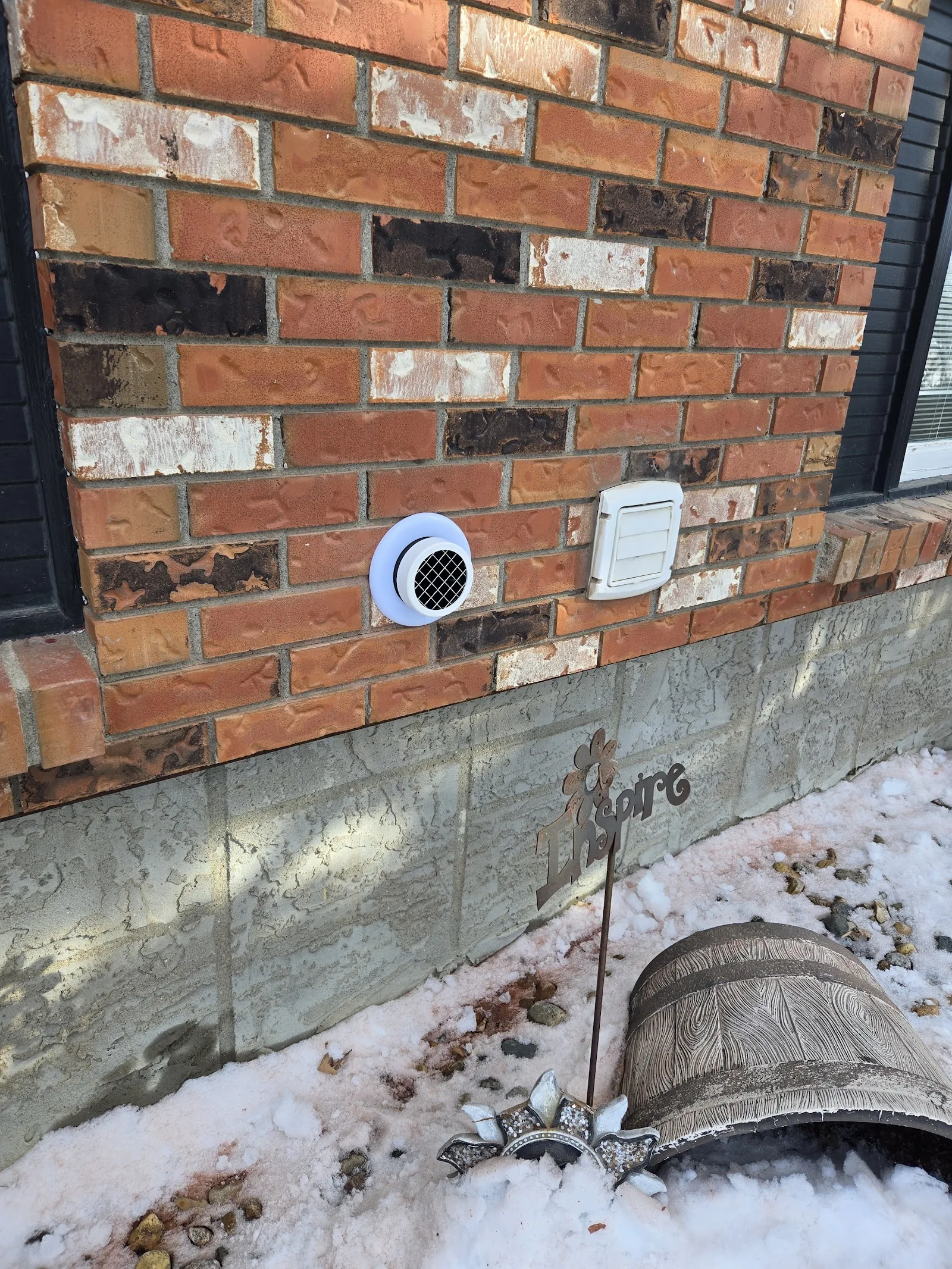
It changes the air pressure under your home so radon is drawn away from your living space instead of into it. In most homes that means a sealed suction point under the foundation and a quiet in-line fan that vents the soil gas safely outside. For crawl-space homes we do the same thing under a sealed membrane. Once it's running, it works on its own.
How long does an install take?
Most radon mitigation systems are installed in a single day. We arrive when we say we will, keep the work site neat, route the piping cleanly, and leave your home the way we found it — our customers consistently say you'd hardly know we were there.
How much does radon mitigation cost?
Every home is different — your foundation, your layout and your radon levels all affect the design — so we don't quote a one-size-fits-all price. What we do promise is a free in-home assessment, a clear written quote, and no surprises: the quote we give you is the price you pay. We'll always give you an honest number for your home.
Will the system be noisy or an eyesore?
No. A finished radon system is designed to disappear into the background — a quiet fan and a tidy pipe run. Homeowners tell us the system is quiet and effective, and that we left everything neat and well-finished. You'll forget it's there; the number it keeps down is the part you'll remember.
How do I know the system actually worked?
Because we measure it. After the install we run verification testing to confirm your numbers have dropped into the guaranteed range, and we'll help you set up your own detector so you can watch the numbers fall for yourself — one homeowner saw a sump-pit reading of 3,699 Bq/m³ drop to well below 100 in a single day. We don't consider a job done until the result is proven.
Do I need a radon test for a real-estate transaction?
Increasingly, yes. Radon testing is more and more common during home inspections and as a closing condition, whether you're buying or selling. We do short-term testing suited to transaction timelines, and we'll explain the result plainly so it doesn't slow your deal down.
What is C-NRPP certification, and why does it matter?
C-NRPP is the Canadian National Radon Proficiency Program — the national body that certifies radon professionals in Canada. Hiring a C-NRPP certified pro means the testing and mitigation work meets a recognized national standard. Sask Air's owner is C-NRPP certified, and on top of that a Red Seal journeyman plumber and licensed gas fitter — a deeper trade credential than most radon outfits carry.
— Why This Matters Here —
Radon Is a Bigger Deal in Saskatchewan Than Most People Realize
Not to alarm you — just so you have the facts. These are the reasons radon testing is worth doing in this part of the country.
Among Canada's Highest Radon Levels
Regina and southern Saskatchewan record some of the highest indoor radon levels in Canada — and among the highest in the world.
The Leading Cause in Non-Smokers
Health Canada names radon the leading cause of lung cancer in non-smokers, and links roughly 1 in 6 lung cancers in Canada to radon.
The City of Regina Has Issued an Advisory
The City of Regina has issued a formal radon-gas advisory through its Planning & Development Services.
Most Homes Have Never Been Tested
Public awareness is rising, but most Saskatchewan homes have still never been tested — so most homeowners simply don't know their number.
— Breathe Easier —
Find Out What's in the Air Your Family Breathes
It starts with one free in-home assessment. We'll test, explain your numbers in plain terms, and give you an honest quote — no pressure, no obligation. Most installs are done in a single day.